
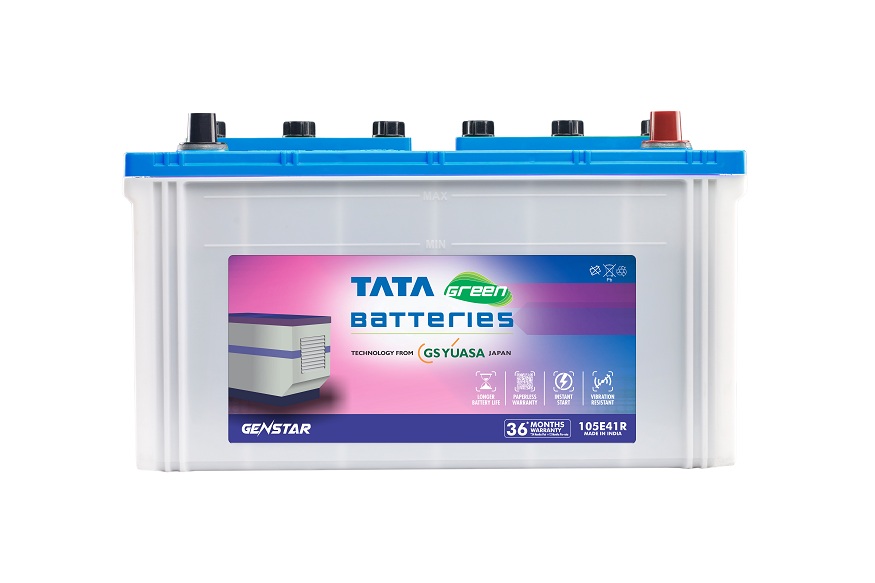
Power cuts can disrupt daily routines, especially in homes and workplaces that depend on uninterrupted electricity. Inverters play a crucial role in bridging this gap by providing backup power when the main supply fails. But how exactly do inverters work?
This guide explains the working of inverters in a clear, structured, technical, yet easy-to-understand manner.
What is an Inverter?
An inverter is an electrical device that converts direct current (DC) into alternating current (AC).
- DC power comes from batteries
- AC power is what most household appliances use
Since batteries store energy in DC form, an inverter is required to convert it into usable AC power for running appliances like fans, lights, TVs and even some heavy devices.
Basic Working Principle of an Inverter
At its core, an inverter performs a simple but critical function: power conversion.
Here’s how the entire thing works:
- Power Supply from Battery: The battery stores energy in DC form.
- Switching Circuit Activation: The inverter uses electronic switches (like MOSFETs or IGBTs) to rapidly turn the DC input on and off.
- Conversion to AC Signal: This switching creates a waveform that mimics AC.
- Voltage Transformation: A transformer adjusts the voltage to the required level (usually 220–240V for homes).
- Output to Appliances: The converted AC power is supplied to connected devices.
This entire process happens in milliseconds, ensuring seamless power backup.
Key Components of an Inverter
Understanding the internal components helps explain how inverters function efficiently.
Read More: How Arizona Drivers Get Free Windshield Replacement With $0 Deductible Coverage
- Battery: It is the source of energy. It stores electricity and supplies DC power during outages.
- Inverter Circuit: This is the brain of the system. It controls switching, waveform generation and output regulation.
- Transformer: It steps up or steps down voltage to match appliance requirements.
- Control Unit: Modern inverters include microprocessors that:
- Monitor battery status
- Regulate charging
- Ensure safe operation
- Rectifier (Charging Circuit): When mains power is available, the inverter converts AC to DC to recharge the battery.
Types of Inverter Output Waveforms
The quality of power produced by an inverter depends on its waveform.
1. Square Wave Inverter:
- Simplest design
- Low cost
- Not suitable for sensitive appliances
2. Modified Sine Wave Inverter:
- Improved waveform
- Works with most appliances
- May cause minor noise in devices
3. Pure Sine Wave Inverter:
- Closest to grid power
- Smooth and stable output
- Ideal for modern electronics and appliances
Pure sine wave inverters are generally preferred for home use due to their efficiency and compatibility.
Charging and Discharging Cycle
An inverter operates in two main modes:
- Charging Mode (Power Available)
- AC power from the grid is converted to DC
- Battery gets charged
- Appliances run directly on the mains supply
- Backup Mode (Power Cut)
- Battery supplies DC power
- Inverter converts DC to AC
- Appliances continue running
The transition between these modes is usually automatic and nearly instantaneous.
Role of Switching Technology
Switching is the heart of inverter operation.
Modern inverters use advanced semiconductor devices such as:
- MOSFETs (Metal-Oxide-Semiconductor Field-Effect Transistors)
- IGBTs (Insulated Gate Bipolar Transistors)
These components:
- Enable high-speed switching
- Improve efficiency
- Reduce energy loss
By controlling the switching frequency and timing, the inverter shapes the output waveform.
Efficiency and Energy Losses
No inverter is 100% efficient. Some energy always gets lost in conversion.
Read More: Top 10 Things to Check Before Buying a Used Car
Typical Efficiency Range: 85% to 95%
Sources of Energy Loss:
- Heat generation
- Switching losses
- Transformer inefficiencies
Higher efficiency means:
- Better performance
- Longer battery backup
- Lower electricity waste
Load Management in Inverters
Load management determines how well an inverter performs under different conditions.
Key Considerations
- Rated Capacity: Measured in VA or kVA, it defines how much load the inverter can handle.
- Power Factor: Indicates how effectively electrical power is used.
- Surge Load Handling: Some appliances (like refrigerators or ACs) require extra power during startup.
Proper load planning ensures stable operation and prevents overload.
Safety Features in Modern Inverters
Modern inverter systems include multiple safety mechanisms to protect both the system and connected devices.
Common Safety Features
- Overload protection
- Short circuit protection
- Overcharge and deep discharge protection
- Thermal shutdown (overheating protection)
- Low battery warning
These features enhance reliability and extend system life.
Advanced Features in Modern Inverters
Inverters today are more than just backup devices. They come with smart features for improved usability.
Examples:
- Digital displays for monitoring
- Smart charging algorithms
- Battery health indicators
- Silent operation modes
- Compatibility with solar systems
These advancements make inverters more efficient and user-friendly.
Applications of Inverters
Inverters are widely used across different environments:
Residential Use:
- Power backup for homes
- Running essential appliances during outages
Commercial Use:
- Offices, shops and small businesses
- Ensuring continuity of operations
Industrial Use:
- Supporting critical systems
- Backup for machinery and equipment
Renewable Energy Systems:
Converting solar DC power into usable AC
Common Misconceptions About Inverters
- Inverters Provide Unlimited Backup: Backup depends on battery capacity and load.
- All Inverters Can Run Heavy Appliances: Only high-capacity systems can handle devices like ACs or heaters.
- Inverters Don’t Require Maintenance: Regular battery maintenance is essential for performance.
Practical Tips for Efficient Usage
- Avoid overloading the inverter
- Use energy-efficient appliances
- Keep batteries properly maintained
- Ensure proper ventilation for heat dissipation
- Periodically check wiring and connections
These steps improve system efficiency and lifespan.
Inverters are essential devices that ensure an uninterrupted power supply by converting stored DC energy into usable AC electricity. Their operation involves a combination of battery storage, electronic switching, waveform generation and voltage regulation.
Understanding how inverters work helps select the right system, optimise performance and manage power usage effectively. While they may seem complex internally, their purpose remains simple: providing reliable backup power when it is needed most.