
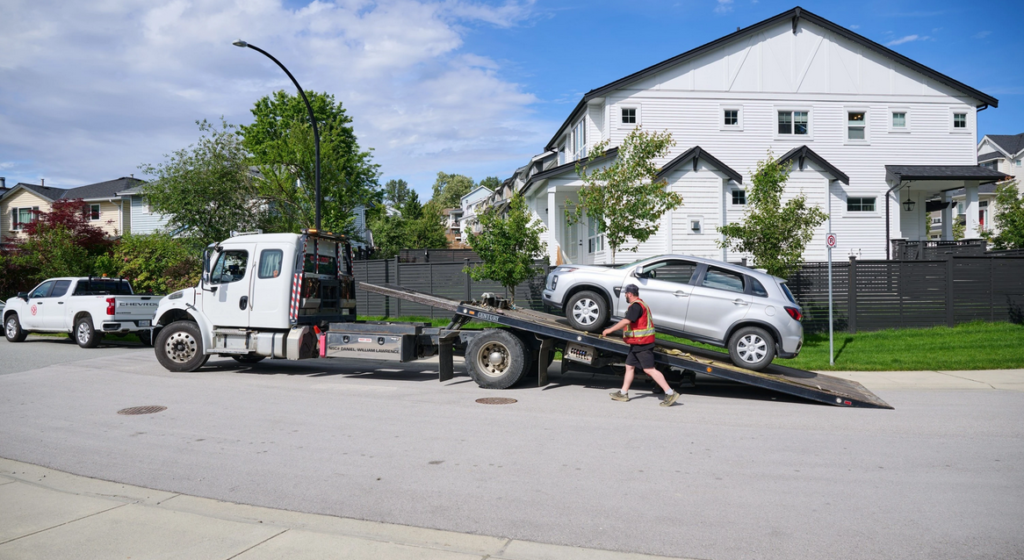
For many Canadians, a convertible or sports car is a summer vehicle. It comes out of storage in May, spends a few glorious months on lake roads and mountain highways, and goes back under a cover before the first snow. Some owners also ship these cars to new places for the season, whether that is a cottage, a vineyard region, or a road trip through the Rockies. Moving a low, light, and often delicate car is a bit different from moving a family sedan.
This guide explains what makes sports cars and convertibles different to ship, how to choose between open and enclosed transport, and how to prepare so the car arrives ready for the road.
What Makes These Cars Different
Sports cars and convertibles tend to sit lower to the ground than ordinary vehicles. Front splitters, side skirts, and low bumpers can scrape on steep ramps, and a long wheelbase makes the angle of loading more important. Some cars also have wide tires, stiff suspensions, or aftermarket parts that change how they sit on a trailer.
Convertibles add a second concern. Soft tops can wear or tear if they are exposed to wind and debris for days, and hardtop roofs can have moving parts that should not be strained. Tell the shipper the exact model, any modifications, and the ground clearance, so they can plan the right equipment and loading method.
Open or Enclosed Transport
Open carriers are the most common way to ship a car, and many sports car owners use them for durable vehicles that are driven often. An open carrier exposes the car to weather and road debris, much like driving would, and it is usually the more affordable option.
Enclosed transport protects the car from rain, snow, sun, and stones, and it keeps the car out of sight. For a rare, expensive, or freshly detailed vehicle, enclosed car transport is often the better choice. It is also worth considering for convertibles with delicate tops, cars with low-slung bodywork, or any vehicle you do not want to arrive covered in road grime.
Loading and Securing a Low Car
Loading is where low cars need the most care. Drivers use longer ramps, wooden planks, or hydraulic lift gates to reduce the angle, and they take the time to approach slowly. Ask the shipper how they plan to load your car, and mention any clearance issues you know about.
Securing matters too. Straps should hold the car by the tires or approved points on the frame, not by delicate suspension parts or bodywork. A good driver will explain their method and adjust it for the car. If you are unsure, ask before pickup.
Preparing a Convertible
A few extra steps protect a convertible during transport. Make sure the top is fully latched and the seals are in good shape, and fold in the mirrors if possible. For a soft top, check the fabric for tears or worn spots, since wind at highway speed can make small problems bigger. If you have a hardtop that is removed for summer, tell the shipper where it is stored.
Take out any loose items from the interior, such as cushions, windbreakers, and cargo nets. They can fly around if the top is not perfectly sealed. If your car has a removable roof panel, make sure it is secured.
Preparing Any Sports Car
Preparation protects your car and your paperwork. Wash the vehicle so any existing marks are easy to see, and photograph every side, including the front splitter, side skirts, and underbody.
- Remove personal items and valuables from the interior and trunk.
- Keep the fuel level at about a quarter tank.
- Check the tires, battery, and brakes.
- Note any aftermarket parts and tell the shipper about them.
- Disable or disconnect alarms that could trigger during loading.
- Note any existing damage on the condition report at pickup.
Share any quirks with the driver, such as a sensitive clutch, a tricky shifter, or a car that needs a specific startup routine. Older and high-performance cars often behave differently from modern daily drivers, and a few notes can prevent trouble.
Seasonal Timing
Sports car shipping is highly seasonal. Spring is busy as owners bring cars out of storage and move them to summer locations. Fall is busy again as cars head back to winter storage or to warmer places. Late summer is also popular for car shows and rallies.
Book early in these seasons, ideally three or four weeks ahead, and ask for a delivery window rather than a single date. If you are shipping to a show or event, build in a buffer for weather or scheduling delays.
Popular Routes for Summer Cars
Many owners ship from Ontario to the west for a summer of driving the mountains. Toronto to Kelowna car shipping is a good example, taking about seven days under normal conditions, and it puts a car within reach of Okanagan wine roads and mountain highways. Others stop in Alberta, where Calgary serves as a gateway to the Rockies and the Icefields Parkway.
Closer to home, owners ship between city garages and cottage properties, or to rallies and racetracks in other provinces. Calgary car shipping is a common starting point for owners heading into the mountains for the summer.
Insurance and Storage
Many sports cars and convertibles are covered by specialized or seasonal insurance policies, and those policies have their own rules. Check whether your coverage applies while the car is on a truck, and whether it changes when the car is stored for winter. Ask the shipper about its coverage too, and keep both answers in writing.
If the car will sit through winter, plan for storage. A battery tender, fresh fuel with stabilizer, and a breathable cover protect the car during the off-season. Think about where it will be stored at the destination before you ship, and arrange access for the delivery day.
Arriving Ready to Drive
Shipping a convertible or sports car does not need to be stressful. Share accurate details, choose the right type of transport, prepare the car carefully, and plan around the season. With those pieces in place, the car arrives ready for the open road.
Frequently Asked Questions
Can a very low sports car be shipped safely?
Yes, with the right equipment. Tell the shipper the exact ground clearance and any aftermarket parts so they can use longer ramps or a lift gate and load the car carefully.
Is enclosed transport necessary for a convertible?
Not always, but it is worth considering for delicate soft tops, rare cars, or freshly detailed vehicles. Enclosed transport protects against weather and road debris.
Should I put the top up or down for shipping?
Up and fully latched. Check the seals and fabric first, and remove loose items from the interior so nothing flies around.
Can I ship a sports car with aftermarket modifications?
Yes, but tell the shipper in advance. Lowered suspensions, large wheels, and body kits can change the loading method and equipment.
When is the best time to ship a sports car for summer?
Book three to four weeks ahead in spring, when demand is highest. Early booking gives you more choice of dates and equipment.